


When selecting materials for kitchen and bathroom surfaces, the composition and inherent properties of the material are critical factors to consider. Quartz countertops in Sarasota, FL, are a popular choice, known for their durability and aesthetic appeal. At Stone Design Gallery of Venice, we often address questions regarding whether quartz countertops require sealing. To understand this, one must first look into what quartz is made of and its characteristics.

What is the composition and inherent properties of quartz that affect its need for sealing?
Composition of Quartz Countertops
Quartz countertops are engineered stone products that consist of about 90% natural quartz, one of the hardest minerals found in Earth, and 10% polymeric or cement-based binders. The natural quartz crystals are ground and mixed with binders and pigments to produce a variety of colors and patterns that mimic the look of natural stone. The result is a very hard, durable slab that does not have the same porosity as materials like natural marble or granite.
Inherent Properties of Quartz
The engineering process behind quartz countertops in Sarasota, FL, gives them a non-porous nature, which is a key characteristic affecting their need for sealing. Unlike natural stone, quartz does not require a sealant to protect it from water absorption or stains. This non-porous quality makes quartz highly resistant to staining substances such as wine, coffee, and other common kitchen spills. It also contributes to quartz’s hygienic properties by inhibiting the growth of bacteria and mold, which can proliferate in more porous materials.
Durability and Maintenance Needs
The durability of quartz is further enhanced by its resistance to scratches and chipping. While no countertop material is completely scratch-proof, quartz stands up remarkably well to everyday wear and tear, making it an ideal choice for busy kitchens and bathrooms. Due to these properties, quartz countertops, do not require the periodic sealing that materials like granite and marble do.
The combination of high durability, resistance to staining, and lack of porosity makes quartz an excellent choice for both residential and commercial applications. At Stone Design Gallery of Venice, we recommend quartz to customers who seek a beautiful, strong, and low-maintenance solution for their countertops. Understanding these aspects helps clarify why quartz is such a favored material in modern countertop design.
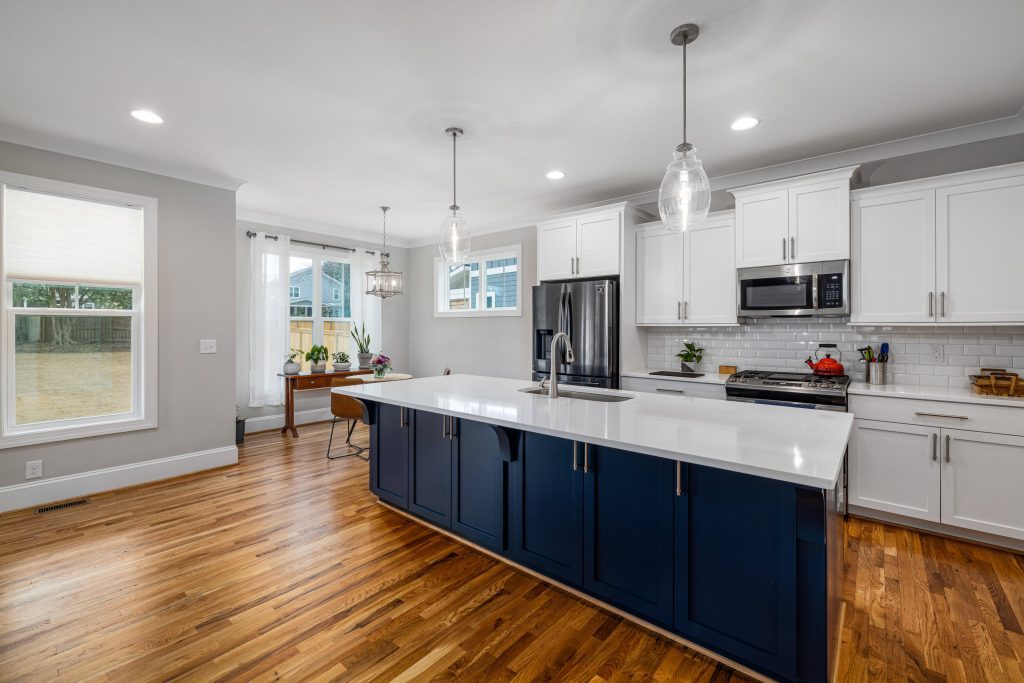
How does the manufacturing process of quartz countertops influence their resistance to stains and bacterial growth?
Continuing our exploration of quartz countertops in Sarasota, FL, it’s essential to delve into how the manufacturing process contributes to their remarkable resistance to stains and bacterial growth. Stone Design Gallery of Venice emphasizes the importance of understanding these manufacturing details to appreciate the full benefits of quartz in any home or business setting.
The Manufacturing Process and Its Impacts
Non-Porous Surface Creation
The manufacturing process of quartz countertops in Sarasota, FL, involves combining ground natural quartz with polymer resins and pigments under high pressure and heat to form slabs. This process is known as compaction by vibrocompression vacuum process. The resins bind the quartz crystals together, creating a thoroughly non-porous surface. Unlike natural stones that have micro-pores and tiny fissures, the resin in quartz fills any potential gaps, which prevents liquids and bacteria from penetrating the surface. This inherent non-porosity is why quartz countertops do not require sealing and are exceptionally resistant to staining.
Enhanced Stain Resistance
During the manufacturing, pigments are added to the resin and quartz mixture to achieve the desired color and pattern. These pigments are homogeneously distributed throughout the material, providing consistent color that does not fade or discolor over time. The resin also acts as a powerful barrier against staining agents. As a result, substances like coffee, wine, oil, and juice that would normally leave permanent stains on porous materials can be wiped away from quartz countertops without leaving any residue behind.
Bacterial Growth Prevention
The same non-porous nature that provides stain resistance also makes quartz inhospitable to bacteria and mold growth. In environments where hygiene is paramount, such as kitchens and bathrooms, this characteristic is especially beneficial. The absence of pores means there are no crevices for bacteria to lodge and multiply, making quartz countertops in Sarasota, FL, an ideal choice for those concerned with cleanliness.
The advanced manufacturing process of quartz countertops not only ensures a product that is aesthetically pleasing but also functionally superior in resisting stains and bacterial contamination. At Stone Design Gallery of Venice, we advocate for quartz as a top choice for clients seeking both beauty and functionality without the high maintenance of natural stones. By understanding these facets of quartz production, customers can make informed decisions about their countertop materials, ensuring they select options that best meet their lifestyle and design needs.
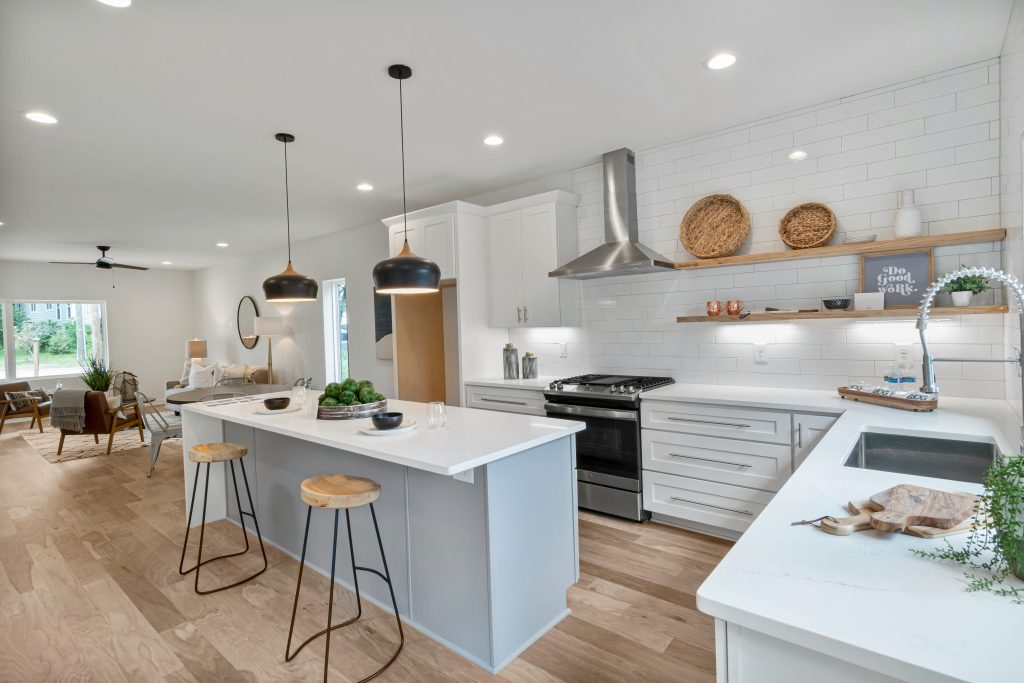
What are the recommended maintenance practices for quartz countertops to ensure their longevity and aesthetic appeal without sealing?
As we consider the care of quartz countertops, it’s essential to adopt maintenance practices that ensure their longevity and preserve their aesthetic appeal. Stone Design Gallery of Venice provides recommendations tailored to maintain the pristine condition of quartz without the need for sealing.
Key Maintenance Practices for Quartz Countertops
Daily Cleaning
For daily cleaning of quartz countertops, use a soft cloth or a non-abrasive sponge with warm water and a mild detergent. This simple method is effective for routine maintenance and will keep your countertops looking new. Avoid using harsh chemicals or abrasive cleaners, which can dull the polished surface over time.
Dealing with Spills and Stains
Immediate attention to spills, especially those that are acidic or highly pigmented, is crucial for maintaining the integrity of quartz countertops in Sarasota, FL. Blot spills with a paper towel or a soft cloth promptly; do not rub, as this can spread the spill. For stubborn stains, a glass cleaner or a non-abrasive cleaning pad can be used gently to avoid scratching the surface.
Heat Protection
Although quartz is resistant to heat to a certain degree, prolonged exposure to high temperatures can cause damage. Use trivets or hot pads when placing hot items directly from the stove or oven onto quartz countertops. This precaution helps prevent thermal shock and potential cracking.
Preventing Scratches
Quartz is highly resistant to scratches, but cutting directly on the surface should still be avoided. Use cutting boards to safeguard against potential damage from knives and other sharp objects. This practice not only preserves the look of your countertops but also maintains their structural integrity.

By following these recommended maintenance practices from Stone Design Gallery of Venice, owners of quartz countertops in Sarasota, FL, can ensure their investment remains beautiful and functional for years to come. Regular cleaning, prompt spill management, careful heat exposure, and protection against scratches will extend the life and enhance the beauty of quartz countertops. These straightforward and effective care guidelines allow homeowners to enjoy the lasting elegance of quartz without the need for frequent upkeep or sealing, making it an ideal choice for any modern kitchen or bathroom.