


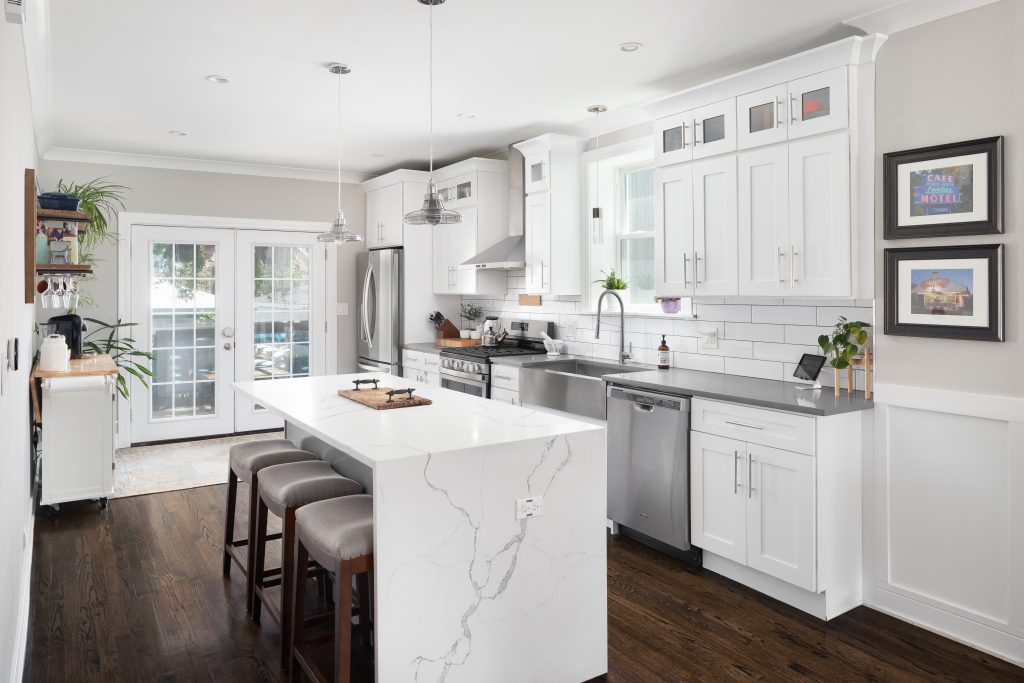
At Stone Design Gallery of Venice, many of our clients inquire about the capability of quartz countertops Venice, FL, to replicate the look of classic natural stones such as granite and marble. The technology behind quartz manufacturing has advanced significantly, allowing for a remarkable resemblance to these natural stones while offering additional benefits.
The Manufacturing Process
The key to the realistic appearance of quartz countertops Venice, FL, lies in their manufacturing process. Quartz is engineered from a blend of around 90% ground natural quartz and 10% resins, polymers, and pigments. This combination is then poured into molds to form slabs that can mimic the color, veining, and texture of natural stone. The pigments can be adjusted to create variations that resemble the natural irregularities found in granite and marble, making quartz an appealing, versatile choice for homeowners.
Visual Comparison with Natural Stone
While quartz countertops can closely mimic the look of granite and marble, there are subtle differences that distinguish it from its natural counterparts. Quartz generally offers a more uniform pattern and color consistency, whereas natural stones are known for their unique and random veining patterns. However, the latest quartz varieties feature techniques that introduce randomization in patterning, significantly enhancing their natural appearance. This makes it increasingly difficult to distinguish high-quality quartz from real granite or marble at first glance.
Advantages of Quartz Over Natural Stone
Choosing quartz that looks like natural stone provides several practical advantages. Unlike natural stone, quartz does not require sealing and is non-porous, making it resistant to staining and bacterial growth. This makes quartz countertops Venice, FL, an excellent option for busy kitchens and bathrooms where durability and low maintenance are priorities.
At Stone Design Gallery of Venice, we recognize the importance of providing our clients with options that meet their aesthetic and functional needs. The ability of quartz to mimic natural stone while offering ease of maintenance and durability makes it a popular choice among homeowners. We invite you to visit our showroom to explore the wide range of quartz designs that beautifully replicate the essence of natural stone, ensuring you find the perfect match for your decor.
What are the visual differences between quartz and natural stone?
Continuing our exploration of quartz countertops at Stone Design Gallery of Venice, it is important to examine the visual differences that set quartz apart from natural stone. Understanding these distinctions can help clients make a well-informed decision that aligns with their design preferences and functional needs.
Pattern Consistency and Uniformity
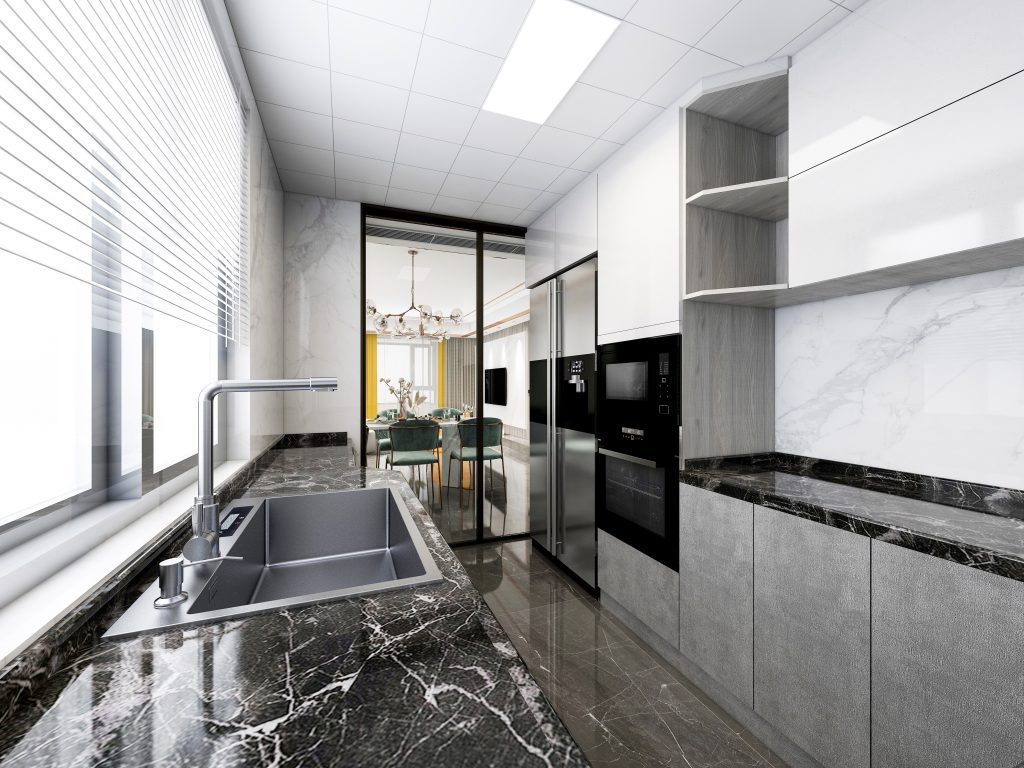
One of the most noticeable visual differences between quartz countertops and natural stones like granite and marble is the consistency of patterns. Quartz is engineered, allowing for a controlled appearance with uniform colors and patterns. This uniformity is especially appealing for large projects where consistency across multiple slabs is desired. In contrast, natural stones are known for their unique, often unpredictable variations in color and veining. Each slab of granite or marble is one-of-a-kind, with natural patterns that can vary dramatically even within the same quarry.
Color Options and Customization
Quartz countertops Venice, FL provide a broader range of colors and designs thanks to the manufacturing process, which includes pigments and various types of synthetic binding agents. This process allows for the creation of countertops in almost any color imaginable, tailored to fit specific interior design themes. On the other hand, natural stone colors are limited to what is naturally formed in the earth, which can range from various shades of whites and grays to deep blues and greens, depending on the mineral composition.
Reflectivity and Depth
Another visual aspect to consider is the depth of the material. Quartz has a somewhat less reflective surface compared to polished granite or marble, which can exhibit a deep, almost three-dimensional luster when light hits their surfaces. The reflectivity of natural stone can give a richer feel to countertops, enhancing the perceived depth and luxury of the material. While quartz countertops Venice, FL may lack this level of depth due to their engineered nature, they still offer a sleek and modern finish that is highly valued in contemporary design.
At Stone Design Gallery of Venice, we help our clients appreciate these visual differences to choose the best countertop material for their projects. Whether opting for the uniformity and wide color palette of quartz or the unique beauty and natural elegance of granite or marble, we provide expert guidance and a vast selection. By understanding the distinct visual characteristics of quartz countertops Venice, FL and comparing them with natural stones, customers can ensure their final choice not only meets but enhances the aesthetic of their space.

What are the benefits and limitations of choosing quartz that mimics natural stone?
At Stone Design Gallery of Venice, we often discuss with our clients the benefits and limitations of choosing quartz countertops Venice, FL, that mimic natural stone. Understanding these factors can play a crucial role in making a well-informed decision that aligns with their lifestyle and aesthetic preferences.
Benefits of Quartz That Mimics Natural Stone
One of the primary benefits of selecting quartz countertops Venice, FL that mimic natural stone is the incredible durability and low maintenance that quartz offers. Unlike natural stone, which often requires periodic sealing to prevent stains and damage, quartz is non-porous and does not require such maintenance. This makes quartz a more practical choice for busy kitchens and bathrooms where durability and ease of cleaning are paramount.
Additionally, quartz countertops offer more consistent color and pattern uniformity compared to natural stone. This consistency is especially advantageous for large projects or installations where the continuation of pattern and color is critical. Quartz also provides a broader range of color options, thanks to the controlled manufacturing process, allowing homeowners to achieve the perfect match for their interior design without the limitations of natural stone color variations.
Limitations of Quartz Mimicking Natural Stone
While quartz countertops Venice, FL offer many advantages, there are some limitations to consider. One limitation is that, despite advances in technology, quartz may still not capture the full depth and unique character of natural stone. Each slab of natural stone, such as marble or granite, is unique, with natural veining that can’t be entirely replicated by engineered materials. For some homeowners, the allure of having a one-of-a-kind piece of earth’s art is preferable, which quartz cannot fully emulate.
Furthermore, while quartz is durable, it is not completely resistant to heat damage. Excessive heat can damage the resin components of quartz, whereas materials like granite can withstand higher temperatures. Homeowners who frequently place hot items directly on their countertops may need to consider this factor.
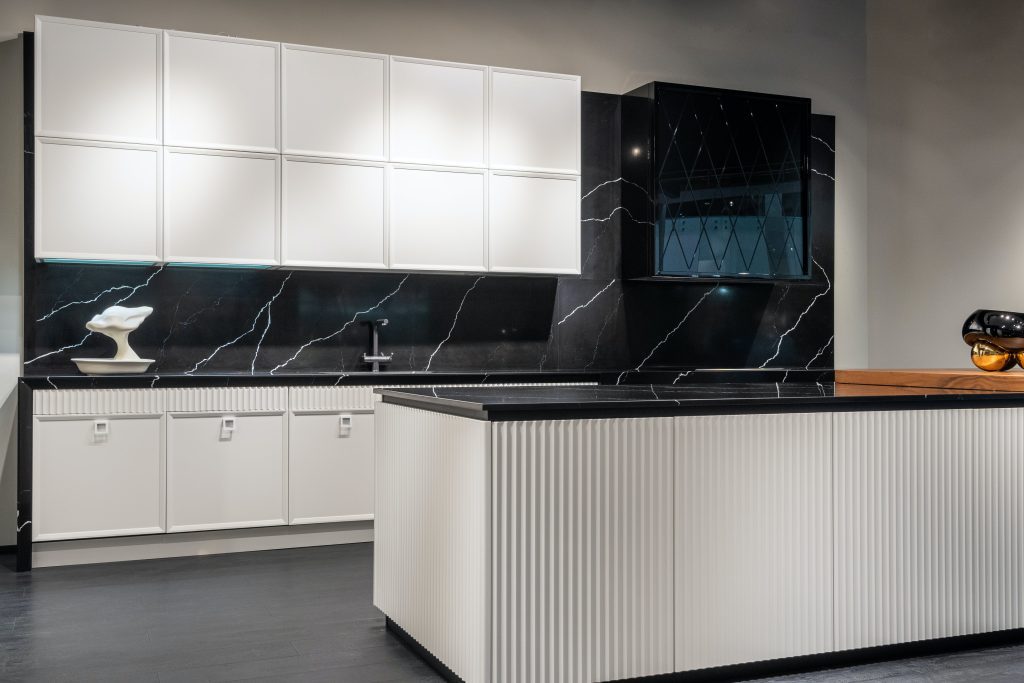
At Stone Design Gallery of Venice, we provide a comprehensive overview of all countertop options, including quartz countertops that mimic natural stone. While quartz offers significant benefits such as durability, ease of maintenance, and consistency in appearance, it also has limitations that should be considered. Our team is dedicated to helping each client find the perfect countertop solution that not only meets their practical needs but also fulfills their aesthetic vision. Whether you lean towards the unparalleled beauty of natural stone or the innovative designs of quartz, Stone Design Gallery of Venice is here to guide you through every step of the selection process. Visit us today to explore our wide range of options and find the ideal countertop for your home.